12 Best Fitness Recovery Machines for Home
Share
The right recovery machine earns its place fast. If your legs stay heavy two days after training, your shoulders never quite loosen up, or stress keeps bleeding into sleep, the best fitness recovery machines can change more than post-workout soreness. They can make recovery feel consistent, convenient, and built into the way you live.
Not every tool belongs in every home, though. Some machines are best for performance-focused recovery after hard training. Others are better for nervous system downshifting, circulation, or daily pain relief. The smartest buy is not the most expensive one. It is the one you will actually use three to five times a week.
What makes the best fitness recovery machines worth it
At-home recovery equipment sits at the intersection of performance and ritual. That matters because good recovery is rarely about one heroic session. It is about repeatable support - a 15-minute compression cycle after lower body training, red light before bed, or a sauna session that helps you unwind while your body shifts out of stress mode.
The best machines usually do three things well. They deliver a noticeable physical effect, fit into real schedules, and feel easy enough to use without friction. If setup is complicated or each session feels like a production, even excellent equipment can end up ignored.
There is also a practical trade-off to consider. Some modalities, like massage guns and compression boots, offer fast, targeted relief with very little space required. Larger investments, like saunas and cold plunges, create a more immersive recovery experience but ask more from your budget and your home.
12 best fitness recovery machines to consider
1. Compression boots
Compression systems are one of the most effective options for people who train hard and recover often. They use sequential air pressure to support circulation, reduce that heavy-leg feeling, and help you feel more refreshed after running, lifting, cycling, or long workdays spent on your feet.
They are especially appealing because the barrier to use is low. Sit down, zip in, and let the session run. If your main goal is faster lower-body recovery with minimal effort, this is one of the strongest categories to start with.
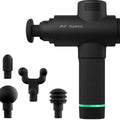
2. Percussion massage guns
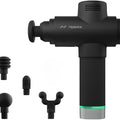
A massage gun is still one of the most versatile recovery tools for home use. It works well for targeted muscle tightness in the calves, glutes, quads, upper back, and shoulders, and it is easy to use before or after training.
The limitation is that percussion is highly localized. It is great for knots and tension, but less effective if you want a full-body recovery experience. It also takes a bit more self-guidance than automated systems.
3. Red light therapy panels
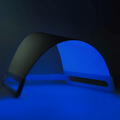
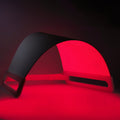
Red light therapy has become a staple in premium recovery spaces for a reason. A quality panel can support muscle recovery, help calm inflammation, and fit naturally into a broader wellness routine. Many people also value the skin and mood benefits, which makes it easier to justify regular use.
Panels work best for those who want a noninvasive modality they can use consistently at home. The main consideration is size. Larger panels give broader coverage and a more efficient session, while smaller models are better for targeted areas or tighter spaces.
4. Red light therapy wands
If a full panel feels like too much, a wand offers a more flexible entry point. It is ideal for focused treatment around the knees, neck, lower back, or smaller areas that need regular attention.
A wand will not replace the convenience of full-body coverage, but it can be the right choice if your needs are specific and you want something portable. For frequent travelers or anyone building a recovery setup gradually, that flexibility matters.
5. Cold plunge tubs
Cold plunging is not subtle. It is intense, efficient, and effective for many people looking to manage soreness, improve resilience, and create a strong mental reset. It can feel especially useful after high-output training blocks or in periods when inflammation and fatigue are stacking up.
That said, cold therapy is not universally comfortable, and that is part of the point. The best home cold plunges make the process cleaner, more controlled, and easier to repeat. If you want a serious recovery ritual with a performance edge, this category stands out.
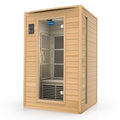
6. Infrared saunas
Saunas bring a different kind of recovery value. Instead of sharp stimulation, they offer heat, decompression, and a sense of restoration that supports both body and mind. For many buyers, that blend is what makes them worth the investment.
Infrared models are especially attractive for home use because they are often easier to integrate than traditional sauna builds. They can support circulation, relaxation, and post-exercise recovery while also becoming part of a daily stress-management routine. If your recovery goals include sleep, stress relief, and longevity, not just athletic output, a sauna deserves a close look.
7. Foam rolling machines and vibrating rollers
Manual foam rollers work, but powered or vibrating versions can make tissue work more effective and more tolerable. They help loosen tight areas, support mobility work, and add a bit more intensity without requiring a therapist or a long session.
This category is best for people who already believe in mobility and soft tissue work. If you never foam roll now, a better roller may not suddenly become your favorite habit. But if you do, the upgrade can be meaningful.
8. Leg and foot massagers
For anyone who spends hours standing, walking, training, or traveling, a leg and foot massager can have surprising value. These machines are less about elite athletic recovery and more about daily relief, circulation support, and comfort.
They also fit a wider household use case. If you want a machine that feels restorative at the end of the day and gets used by more than one person, this is a strong practical pick.
9. Full-body massage chairs
A premium massage chair is a large purchase, but it solves a real problem: consistency. It gives you guided bodywork at home, on demand, without appointments. For people with chronic tension, demanding schedules, or a preference for low-effort recovery, that convenience is hard to overstate.
The trade-off is obvious. Massage chairs require space and budget, and not every user loves the feel of automated rollers. But in the right home, they can become one of the most-used wellness investments you make.
10. EMS and muscle stimulation devices
Electrical muscle stimulation can support recovery by gently activating muscles and encouraging circulation in targeted areas. It is often used for very specific needs rather than as a broad lifestyle machine.
That makes it a bit more niche. If you like precision and you know where your problem areas are, EMS can complement a larger recovery routine well. If you want a more relaxing, intuitive experience, other machines may feel more rewarding.
11. Hydromassage loungers
Hydromassage uses heated water pressure through a lounger-style system to deliver bodywork without requiring a full hot tub installation. It feels polished, comfortable, and very much aligned with the spa-at-home experience many buyers want.
This category leans more lifestyle-luxury than minimalist utility, but that does not make it less useful. For stress relief, back tension, and regular full-body relaxation, it can be a standout option.
12. Float pods
Float therapy is less about pounding out soreness and more about deep nervous system recovery. A float pod creates a sensory-light environment that can support relaxation, stress relief, and mental reset in a way few other machines can.
It is not the first purchase most fitness-focused buyers should make. But for high performers carrying both physical and mental load, it can become one of the most valuable tools in the room.
How to choose the best fitness recovery machines for your goals
Start with the problem you want to solve most often. If you are dealing with recurring leg fatigue after training, compression or cold therapy will likely matter more than a massage chair. If your issue is whole-body stress, shallow sleep, and feeling wired at night, sauna or red light may offer more value.
Then consider how much friction you are willing to tolerate. The best recovery machine on paper can still be the wrong fit if it takes too long to set up, clean, or maintain. Home wellness works best when the equipment feels like part of your environment, not a project.
Space matters, too. A massage gun can live in a drawer. A panel needs a dedicated area. A sauna, plunge, or float setup asks for a much more intentional footprint. Be honest about where the machine will live and whether that location supports frequent use.
Budget should be framed around use frequency, not just sticker price. A premium machine used four times a week can be a better value than a cheaper device that disappoints and sits untouched. This is where curated retailers like Sanora Wellness tend to stand out - the strongest products are not just impressive in a spec sheet, they fit real home routines.
The best home setup is usually a combination
Most people do not need a room full of machines. They need two or three modalities that cover different recovery needs. A common pairing is compression for physical fatigue and red light for steady daily recovery. Another is cold plunge for intensity and sauna for downshifting afterward.
That balance matters because recovery is not one-dimensional. Some days you want stimulation and resilience. Other days you want calm, heat, and relief. The most effective home setups reflect both.
The best place to start is simple: choose the machine you can picture yourself using next week, not someday. Recovery improves when it becomes familiar, and the right equipment makes that habit feel less like work and more like a standard you keep for yourself.