A Guide to Choosing Home Exercise Equipment
Share
The best home gym is not the one with the most equipment. It is the one you use on an ordinary Tuesday, when time is short and motivation is not performing at its peak. This guide to choosing home exercise equipment starts there: with the routines you can realistically sustain, the space you have, and the way you want to feel after each session.
For some households, that means a compact strength setup beside a home office. For others, it means a bike for morning cardio, a massage tool for evening recovery, or a dedicated wellness room built around heat, cold, and restoration. The right choice is personal, but a smart buying process makes it much easier to build a setup that feels considered rather than crowded.
Start With the Outcome, Not the Product
A premium machine can be an excellent investment. It can also become an expensive clothes rack if it was chosen for its features rather than its place in your life. Before comparing models, decide what you want your home routine to accomplish over the next six to 12 months.
If your priority is cardiovascular endurance, look toward equipment that makes consistent movement easy: a treadmill, indoor bike, rowing machine, or compact stair climber. If strength, body composition, and joint-supporting muscle are the focus, adjustable dumbbells, resistance bands, a bench, kettlebells, or a functional trainer may give you more range than one large single-purpose machine.
Recovery belongs in this decision, too. Regular training, demanding work, travel, and long hours at a desk can all leave the body feeling depleted. Compression systems, red light therapy, massage equipment, and heat or cold modalities can help create a restorative rhythm around your training. They do not replace sleep, nutrition, medical care, or thoughtful programming, but they can make recovery feel more intentional and enjoyable.
Choose one primary outcome and one supporting outcome. For example, your primary goal may be strength, with stress relief as the supporting goal. This keeps your purchases focused while leaving room for a wellness ritual that supports the rest of your day.
Measure the Room You Actually Have
Home equipment should fit your space physically and visually. Measure floor dimensions, ceiling height, doorway clearance, and the path from delivery to final placement. A treadmill may fit the room but not the stairwell. A tall cable system may clear the floor but not a low ceiling. A sauna or cold plunge also needs practical consideration for flooring, ventilation, drainage, electrical access, and the surrounding environment.
Leave enough open space to move comfortably. Strength training requires room to step, hinge, press, and lower weights safely. Cardio equipment benefits from clear access on all sides, especially where the manufacturer specifies it. For recovery equipment, consider the small details that make a ritual effortless: a nearby outlet, towels within reach, a stable surface, and privacy when you want it.
There is also an aesthetic question. A home setup that clashes with the room is more likely to be tucked away and forgotten. Many people prefer a quieter visual footprint: streamlined finishes, equipment that stores cleanly, and a layout that makes the room feel calm rather than overbuilt. If your equipment will live in a shared space, design matters as much as dimensions.
Consider Noise, Floors, and Shared Walls
Noise is a real trade-off, particularly in apartments, condos, or homes with early sleepers. Rowers, treadmills, jump training, and heavy lifting can transmit sound through floors. Rubber flooring, dense exercise mats, and equipment designed for low-impact use can reduce disruption, though they will not eliminate it entirely.
Check the condition and load capacity of the floor before installing heavy equipment. This is especially relevant for large racks, substantial cardio machines, cold plunges, and sauna units. When in doubt, review product specifications and consult a qualified professional about your specific installation conditions.
Choose Equipment That Matches Your Training Style
The most useful guide to choosing home exercise equipment is less about finding the universally “best” product and more about matching equipment to how you naturally like to move.
People who enjoy guided workouts and a clear start button may get the most consistency from connected cardio equipment. Those who prefer freedom and variety often thrive with adjustable dumbbells, a bench, bands, and a few accessories. Athletes who already train elsewhere may want home equipment that fills the gaps: mobility tools, compression, red light therapy, or a simple conditioning option for days when getting to the gym is not realistic.
A balanced setup usually has three layers: training, mobility, and recovery. You do not need to buy all three at once. Start with the layer that removes your biggest barrier. If the obstacle is lack of time, a versatile strength station might be the answer. If soreness keeps interrupting your routine, a recovery-focused addition may be more valuable than another piece of cardio equipment.
Strength Equipment: Versatility Usually Wins
For most homes, versatile strength equipment delivers the strongest return on space. Adjustable dumbbells can replace multiple fixed-weight pairs. A stable adjustable bench expands the number of movements you can perform. Resistance bands offer low-impact training, travel-friendly portability, and useful options for warmups, mobility work, and lighter recovery sessions.
A functional trainer or power rack may make sense if strength training is central to your lifestyle and you have dedicated space. These systems offer progression and variety, but they require more planning, ceiling clearance, and a meaningful budget. Buy them because you enjoy using them, not because they look impressive in a room reveal.
Cardio Equipment: Pick the One You Will Return To
Treadmills are intuitive and effective, but they can be large and louder than other options. Bikes are often easier on the joints and work well for short, frequent sessions. Rowers provide full-body conditioning but require a long footprint. Compact steppers and walking pads can be ideal for smaller homes, although they may not suit every training goal.
Try to think beyond calorie burn. Ask whether the movement feels good in your body, whether you can use it at your preferred time of day, and whether it supports your current fitness level. The best cardio choice is often the one that feels easy to begin.
Treat Recovery as Part of the Setup
Training creates the stimulus. Recovery is where your body adapts. Building a home wellness environment can make it easier to transition out of stress, support circulation, loosen tight areas, and maintain the consistency that drives progress over time.
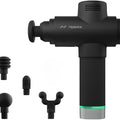
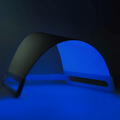
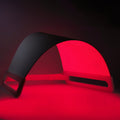
Compression systems are a practical option for people whose legs feel heavy after runs, long flights, or demanding lower-body sessions. Massage equipment can offer targeted relief when used with sensible pressure and technique. Red light therapy is often chosen for its short, repeatable sessions and its ability to fit neatly into a morning or evening ritual. Heat and cold therapies can feel especially restorative, but they ask more of your space, budget, and installation planning.
These modalities have different evidence bases, individual responses, and safety considerations. Follow product directions, begin gradually, and speak with a qualified healthcare professional if you are pregnant, have a medical condition, take medications, have circulation concerns, or are unsure whether a modality is appropriate for you.
Set a Budget That Includes the Full Experience
The purchase price is only part of the investment. Factor in delivery, assembly, flooring, maintenance, replacement parts, accessories, and potential installation requirements. A lower-cost machine that needs frequent servicing can be less satisfying than a well-built option with a stronger warranty and better long-term support.
It is often wiser to buy fewer, better pieces. A compact setup with adjustable weights, a quality bench, flooring, and one recovery tool can support an impressive range of routines. Add specialized equipment only after you have established the habit it is meant to serve.
For larger wellness purchases, look carefully at materials, capacity, power requirements, cleaning needs, warranty terms, and return policies. Sanora Wellness curates professional-grade home wellness equipment for people who want that confidence without turning product research into a second job.
Make the First Session Effortless
Once your equipment arrives, resist the urge to design a perfect program. Set up one simple session you can complete in 20 minutes. Place a mat where you can see it. Preselect a few dumbbell movements. Keep recovery tools accessible rather than stored in a closet.
Your home setup should invite repetition, not demand willpower. Choose equipment that supports the version of wellness you can return to with consistency: stronger after training, calmer after work, and more restored when tomorrow begins.