How to Build a Recovery Room at Home
Share
A great recovery room does not start with more equipment. It starts with a clear reason for using it. If you are figuring out how to build a recovery room at home, the smartest first move is deciding what you want that space to do for you every week - faster post-workout recovery, lower stress, better sleep, less soreness, or a more consistent wellness routine.
That distinction matters because the best home recovery rooms are not stuffed with trends. They are edited. A focused space feels better to use, fits more naturally into daily life, and usually delivers better results than a room packed with devices you touch twice and forget.
Start with the recovery experience you want
Think beyond the product list for a minute. The real goal is to create a room you will return to regularly. For some people, that means an energizing contrast setup with cold exposure and compression after training. For others, it means a slower evening ritual with heat, red light, and bodywork.
The most effective rooms usually support one of three priorities: performance recovery, stress relief, or a blend of both. If your training load is high, your room may center on cold plunge, compression, and massage. If you are a busy professional carrying stress in your shoulders and sleep quality, a sauna, red light, and calming environment may give you more value. If you want a flexible wellness space for the whole household, balance matters more than intensity.
This is where many people overspend. They buy advanced equipment before defining the use case. A better approach is to choose one anchor modality, then build around it.
Choose the right room before you choose the gear
When planning how to build a recovery room at home, the room itself shapes the experience more than people expect. A spare bedroom can work beautifully for red light, compression, massage, and breathwork. A garage may be better for a cold plunge, sauna, or larger fitness and recovery equipment. A basement can create a quiet, spa-like feel, but you will need to think carefully about ventilation, flooring, and moisture.
Look at four practical factors: privacy, power, ventilation, and water tolerance. Heat and cold equipment often need more environmental planning than soft recovery tools. A compact red light panel or compression system can fit into almost any clean, quiet room. A sauna or cold plunge asks more from the space.
You do not need a large footprint. A well-designed 80 to 120 square foot room can feel premium if the layout is intentional. What matters is flow. You want enough room to move, sit, stretch, and transition from one modality to the next without the space feeling crowded.
Build around one anchor piece
Anchor pieces create identity. They also define budget. If your goal is serious physical recovery, a cold plunge or sauna often becomes the centerpiece. If your priority is versatile daily use, red light therapy or a compression system may be the stronger starting point because it is easier to use consistently.
Cold plunge setups are powerful, but they are not for everyone. They ask for commitment, tolerance, and maintenance. The upside is strong appeal for inflammation management, energy, and post-training recovery. The trade-off is that some people admire them more than they use them.
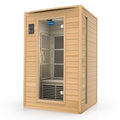
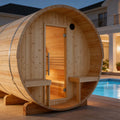
Saunas tend to feel more inviting for regular use. They support relaxation, circulation, and sweat-based recovery, and they often become part of a nightly ritual. The trade-off is setup space, heat management, and electrical requirements depending on the model.
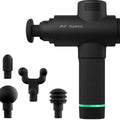
Red light therapy is one of the easiest premium additions because it fits into more routines. Short sessions can feel manageable before work, after training, or in the evening. Compression systems and massage tools also offer a strong convenience-to-results ratio, especially for people who want noticeable recovery support without redesigning an entire room.
If you are building in phases, that is not a compromise. It is usually the smartest path. Sanora Wellness is built around that idea - professional-grade recovery at home should feel elevated, not overwhelming.
Layer in complementary tools
Once the anchor is set, the next step is support. This is where the room becomes personal.
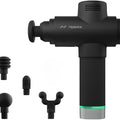
A balanced home recovery room might pair heat or cold with a red light panel, compression boots, and a massage device. That mix covers multiple needs without creating clutter. Heat helps you unwind. Cold can sharpen and reset. Red light supports short, repeatable sessions. Compression and massage help reduce the friction between finishing a workout and actually recovering from it.
The key is choosing tools that fit your schedule. If you have 15 to 20 minutes most days, compact and easy-to-start equipment may outperform larger systems that require preparation. If your recovery routine is a deeper evening ritual, you can justify equipment that asks for a bit more time and setup.
There is also a design question here. Premium wellness rooms work best when the equipment feels integrated, not scattered. Hide cords when possible. Give each device a home. Keep visible surfaces clean. Recovery should feel calming the moment you walk in.
Design for ritual, not just utility
A recovery room should support the nervous system, not just the muscles. That means the environment matters.
Lighting should be soft and adjustable. Bright overhead lighting can make the room feel clinical, which works against the restorative effect most people want. Texture matters too. Easy-clean flooring is practical, but it should still feel warm underfoot or pair with mats that soften the space. Seating helps more than many people realize. A comfortable bench, lounger, or supportive chair creates a place to transition before and after treatments.
Sound and scent can be useful, but restraint wins. A subtle speaker setup or a minimal diffuser can enhance the mood. Too much sensory input makes the room feel staged instead of restorative.
Storage is another underrated detail. Towels, water, cleaning supplies, massage accessories, and wearable devices need a dedicated place. If the room becomes visually busy, it starts to lose its pull. The most luxurious wellness spaces are often the most disciplined.
Plan for maintenance from day one
The glamorous part is choosing equipment. The adult part is planning upkeep.
If your room includes cold or heat, think about cleaning schedules, drainage, ventilation, and surface durability before anything is installed. A recovery room should feel effortless to use, and that only happens when maintenance is simple. If every session ends with a complicated reset, consistency drops fast.
This is also where budget needs honesty. The upfront product cost is only one line item. You may also need upgraded flooring, dedicated electrical support, water-resistant wall finishes, better airflow, or a small furniture upgrade to make the room feel complete. It is better to build a slightly smaller room well than to overextend on equipment and skip the finishing details that make it enjoyable.
Create a routine you will actually keep
Even the best room underperforms without rhythm. The most valuable recovery room is the one that fits your life on a normal Tuesday.
That usually means assigning modalities to moments. Compression after lower-body training. Red light in the morning or before bed. Sauna three evenings a week. Cold exposure on specific training days instead of forcing it daily. A useful room removes decision fatigue.
You can also build lighter and heavier versions of your ritual. On busy days, maybe recovery means 10 minutes of red light and compression. On slower days, it becomes a full hour with heat, mobility work, hydration, and massage. That flexibility keeps the room relevant instead of aspirational.
What to avoid when building a home recovery room
The biggest mistake is building for fantasy. It is easy to imagine an elite setup and forget how you really live. If your schedule is tight, prioritize fast-start tools. If you dislike cold, do not force a plunge to be your centerpiece just because it looks impressive.
Another common mistake is underestimating the room itself. Recovery equipment placed in a cluttered, poorly ventilated, awkward space will not feel premium no matter how advanced it is. The physical environment should make the routine easier, calmer, and more inviting.
Finally, avoid trying to solve every wellness goal in one purchase cycle. A recovery room can evolve. In fact, it should. Start with the tools you will use most, learn what genuinely improves how you feel, and expand from there with intention.
A well-built recovery room changes more than your post-workout soreness. It gives you a place to reset on purpose, protect your energy, and make restoration part of daily life instead of something you chase when you are already depleted.