How to Reduce Inflammation After Exercise
Share
Your workout ends long before your body is done responding to it. That lingering soreness, heat, stiffness, or puffiness you feel the next day is often part of the same question people ask after a hard session: how to reduce inflammation after exercise without slowing progress.
The first thing to know is that not all inflammation is a problem. Training creates controlled stress. Your muscles, connective tissue, and immune system respond so your body can adapt, repair, and come back stronger. The goal is not to shut that process down completely. It is to keep normal post-workout inflammation from tipping into excessive swelling, prolonged soreness, poor sleep, or a recovery cycle that leaves you underperforming.
For most active adults, the best approach is not one dramatic fix. It is a set of deliberate recovery choices that support repair while keeping your routine realistic enough to repeat.
What inflammation after exercise actually means
Exercise-related inflammation is a short-term response to physical stress. During training, especially strength work, interval sessions, long endurance efforts, or unfamiliar movement, your muscle fibers experience microscopic damage. Your body sends immune cells and signaling compounds to the area to start cleanup and repair.
That can look like soreness, mild swelling, reduced range of motion, temporary fatigue, or a heavy feeling in the limbs. In a healthy recovery window, this is normal. It becomes less helpful when intensity, frequency, sleep debt, dehydration, or poor fueling stack on top of each other.
If your soreness lasts several days, your resting heart rate stays elevated, your joints feel inflamed rather than your muscles, or your performance keeps dropping, the issue may be less about one workout and more about an overloaded system.
How to reduce inflammation after exercise without overcorrecting
The best recovery strategy depends on what kind of training you did, how often you train, and what you need to be ready for next. Someone preparing for tomorrow's workout may prioritize faster symptom relief. Someone chasing long-term adaptation may want a lighter touch.
That balance matters because some recovery methods can reduce soreness and perceived fatigue very effectively, but may slightly blunt certain training adaptations if used aggressively after every session. This is especially relevant with cold exposure after strength training. Relief is valuable. So is letting the body do some of its own work.
A more useful question than "What is the best recovery tool?" is "What does my body need today?"
Start with hydration and electrolytes
Inflammation tends to feel worse when hydration is off. Blood flow becomes less efficient, tissues can feel tighter, and recovery often drags. After exercise, replace both fluids and electrolytes, especially if the session involved heat, sweat loss, or endurance volume.
Water is the baseline, but sodium matters too. If you finish a hard workout and only drink plain water, you may still feel depleted. A well-hydrated body generally manages circulation, nutrient delivery, and waste removal more effectively, which supports a smoother recovery response.
Eat for repair, not just calories
If you want to know how to reduce inflammation after exercise in a way that supports performance, nutrition is one of the highest-return places to start. Protein helps repair damaged tissue. Carbohydrates help restore glycogen and reduce stress hormone load after demanding sessions. Color-rich whole foods provide polyphenols and antioxidants that support recovery without requiring an extreme supplement routine.
A balanced post-workout meal often works better than chasing a single anti-inflammatory ingredient. Think protein plus quality carbohydrates, then add foods like berries, tart cherry, leafy greens, olive oil, turmeric, ginger, salmon, or walnuts across the day. You do not need a perfect menu. You need consistency.
If your training is frequent and your appetite runs low after workouts, that can quietly slow recovery. Under-fueling is one of the most common reasons inflammation feels persistent rather than productive.
Respect sleep like a recovery treatment
If recovery had a luxury tier, sleep would still be the standard. Deep sleep is where tissue repair, hormone regulation, nervous system reset, and immune balance all come together. When sleep quality drops, inflammation often lingers longer, soreness feels sharper, and motivation falls with it.
For active professionals, this is often the hardest lever to pull. Late training, screen exposure, alcohol, and stress can all push sleep in the wrong direction. Even small improvements matter - a cooler room, earlier meals, reduced light at night, and a steady bedtime can noticeably improve next-day recovery.
You do not need to earn rest. Rest is part of the program.
Recovery tools that can help
Advanced recovery methods can be extremely useful when they fit the moment. At-home tools have made what used to feel clinical or exclusive far easier to build into a real routine.
Cold therapy for acute soreness and swelling
Cold exposure is one of the most recognized ways to calm soreness and reduce the sensation of inflammation after intense training. Cold plunges, ice baths, and localized cold therapy can help constrict blood vessels temporarily, reduce swelling, and leave the body feeling more refreshed.
This tends to be most helpful after high-volume training, competition, repeated efforts, or sessions that create a lot of tissue stress. It can also be appealing when the priority is feeling ready again quickly.
The trade-off is timing and frequency. Using intense cold immediately after every strength session may not be ideal if maximizing muscle growth is your primary goal. For many people, it works best as a selective tool rather than a default habit. Used strategically, it can be a powerful part of a premium recovery ritual.
Compression to improve circulation and reduce heaviness
Compression systems are especially useful when your legs feel dense, swollen, or slow after hard training, travel, or long days on your feet. They support circulation and can help reduce that post-exercise heaviness that makes your body feel less recovered than it really is.
This is one of the easier recovery methods to stick with because it requires very little effort. You sit, breathe, and let the session do its work. For people balancing training with work and family demands, that convenience matters.
Red light therapy for tissue support
Red light therapy has gained attention for a reason. Used consistently, it may support circulation, tissue recovery, and cellular function in a way that feels both modern and low-friction. It is not an instant fix for severe soreness, but it can fit beautifully into a broader recovery routine focused on reducing stress and supporting repair over time.
For home wellness setups, this is where performance and ritual meet. A short session can feel calming while still serving a functional purpose.
Heat, with the right timing
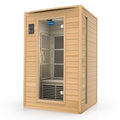
Heat can be excellent for stiffness, mobility, and relaxation, but it is not always the first move if there is obvious swelling or acute inflammation. Saunas and warm therapies are often better once the initial post-workout heat and irritation have settled, or when the bigger issue is tightness rather than puffiness.
Done at the right time, heat can improve circulation, help muscles relax, and support a more restorative state overall. Done too early after a highly inflamed session, it may make things feel worse.
Movement still matters on recovery days
Complete rest has a place, but too much stillness can leave the body feeling stiffer. Gentle movement often helps reduce perceived inflammation by improving circulation and keeping joints and soft tissue from locking up.
That does not mean turning recovery into another workout. A walk, light mobility session, easy cycling, or a short stretch sequence is often enough. The goal is to create flow, not fatigue.
This is especially helpful if your soreness is more muscular than structural. Sharp pain, joint instability, or one-sided swelling is a different story and may need medical attention rather than a recovery gadget or mobility session.
When inflammation is telling you to back off
There is a difference between training soreness and a body asking for less load. If swelling is severe, pain is localized and sharp, your strength drops suddenly, or symptoms keep returning in the same area, the answer may not be another recovery modality. It may be programming, form, footwear, stress, or an injury risk that needs a closer look.
Recovery works best when it supports smart training. It cannot fully offset too much volume, too little sleep, and a schedule that never gives the body time to absorb the work.
For many people, the most effective answer to how to reduce inflammation after exercise is building a repeatable recovery rhythm: hydrate well, eat enough, sleep deeply, move lightly, and use tools like cold therapy, compression, and red light with intention. That is where results start to feel less reactive and more refined.
At home, recovery becomes more than damage control. It becomes a practice of restoration - one that helps you train hard, feel better, and return to your day with more balance than when you started.