Red Light Panel vs Bed: Which Fits Your Routine?
Share
A red light panel vs bed decision usually comes down to one thing: do you want a focused performance tool, or a full-body restoration ritual? Both can bring professional-style light therapy into your home, but they create very different experiences in terms of space, coverage, session flow, and investment.
For the person who wants to support post-workout recovery before the workday begins, a panel can be remarkably effective and efficient. For the homeowner building a dedicated wellness room, a bed can turn light therapy into a quiet, immersive reset. The better choice is not automatically the larger one. It is the one you will use consistently.
Red Light Panel vs Bed: The Core Difference
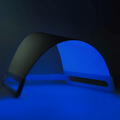
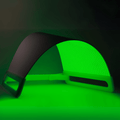
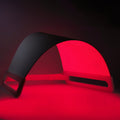
A red light panel is a vertical or horizontal array of LEDs designed to direct red and near-infrared light toward the body. Sizes range from compact devices for the face, joints, or targeted muscle groups to larger panels that can cover much of the body while you stand, sit, or lie nearby.
A red light bed is a larger, enclosed or open-format system built for head-to-toe exposure while you recline. It is designed around comfort and coverage. Rather than repositioning in front of a panel, you settle in for a full-body session that feels closer to a private spa appointment.
Both formats may use red wavelengths for more surface-level applications and near-infrared wavelengths intended to reach deeper tissue. The practical difference is not simply whether one works and the other does not. It is how much of your body is covered at once, how easily the device fits your home, and whether its setup supports your actual routine.
When a Red Light Panel Makes More Sense
A panel is often the strongest starting point for active households, apartment dwellers, and anyone who wants serious performance without dedicating an entire room to wellness equipment. It offers flexibility that a bed cannot always match.
You can stand in front of a larger panel after strength training, sit beside it while working on a tight shoulder, or position it near your legs after a long run. This ability to target specific areas is especially appealing for people whose needs change from week to week. One day may be about quads and calves; the next may be about skin-focused use or a recovery session for the back.
Panels also make it easier to control your distance from the light source. Moving closer generally concentrates the exposure on a smaller area, while stepping back allows more of the body to receive light at once. That flexibility can be useful, but it also asks more of the user. You may need to reposition or treat the front and back of the body separately to achieve the coverage you want.
From a home-design perspective, a panel is easier to accommodate. Many models can be wall-mounted, placed on a stand, or stored when not in use. It is a cleaner fit for a home gym, bedroom, office, or recovery corner where every square foot matters.
A panel is likely the right choice if you value:
- Focused use for muscles, joints, skin, or smaller treatment areas
- A more accessible entry point into at-home red light therapy
- Flexible placement in a gym, office, or bedroom
- The option to build a larger setup over time
When a Red Light Bed Is Worth It
A red light bed is about removing friction. You lie down, press start, and receive broad coverage without turning around, adjusting a stand, or deciding which area gets attention first. For people who already protect time for recovery, that simplicity can be the entire value.
Beds are especially compelling for full-body wellness routines. If your goal is to create a consistent 10- to 20-minute ritual after training, before bed, or on a low-stress weekend morning, a bed makes the experience feel intentional. The format encourages stillness. It can become part of the same rhythm as sauna sessions, compression therapy, breathwork, or a cold plunge.
Coverage is the main advantage. A thoughtfully designed bed can expose much more of the body in a single session than a panel, which means less repositioning and a more uniform experience. For someone managing general muscle fatigue after demanding training blocks or long workdays, this can be more convenient than chasing individual areas with a smaller device.
The trade-off is substantial. Red light beds require dedicated floor space, a suitable electrical setup, and a larger upfront investment. They are not a casual purchase, and they are not easily moved once installed. If you rent, live in a compact home, or are still testing whether light therapy belongs in your routine, a panel may be the more measured decision.
Coverage Is Not the Same as Dose
It is easy to assume a bed is automatically more powerful because it is larger. That is not always true. A bed offers broader coverage, but the quality of a session depends on the device’s irradiance, wavelengths, distance from the LEDs, treatment duration, and overall design.
A high-quality panel used at the recommended distance may deliver a meaningful dose to a targeted area. A bed may provide the better experience for full-body exposure, but it should still be evaluated for output consistency and thoughtful construction rather than size alone.
This is where product specifications matter. Look for clear information about wavelength ranges, irradiance at practical treatment distances, timer controls, and eye-protection guidance. Vague claims and oversized promises are not substitutes for transparent performance details.
More time is not necessarily better, either. Follow the manufacturer’s protocol rather than extending sessions in the hope of faster results. Light therapy is best approached as a steady practice, not an intensity contest.
Comfort, Convenience, and Consistency
The most effective setup is usually the one that feels effortless enough to repeat. A panel works beautifully when it sits where your routine already happens: near the squat rack, beside a yoga mat, or in a quiet corner of your bedroom. It is easy to fit a short session into a busy day.
A bed asks for more room but gives you a more complete pause. For high-performing professionals and committed athletes, that can be a feature rather than a limitation. When the equipment invites you to slow down, put your phone away, and rest, it may support the kind of consistency that makes a recovery practice feel worthwhile.
Think honestly about your habits. If you are likely to use light therapy while getting ready for the day or after a workout, a panel may earn its place faster. If you want a dedicated sanctuary that makes recovery feel non-negotiable, a bed may be the more satisfying long-term investment.
Safety and Smart Expectations
Red light therapy is not the same as UV tanning. A true red light device should not emit UV light, but always confirm the specifications of the product you are considering. Use any included eye protection as directed, especially with bright, high-output devices.
If you are pregnant, have a photosensitive condition, take medications that increase light sensitivity, or are managing a medical concern, speak with a qualified healthcare professional before beginning a new light therapy routine. Red light therapy can complement a recovery-focused lifestyle, but it is not a replacement for medical care, sleep, nutrition, or sensible training load management.
Choose the Setup That Supports Your Next Season
Choose a red light panel if you want adaptable, targeted treatment with a smaller footprint and a more approachable path into professional-grade home recovery. Choose a red light bed if full-body coverage, reclining comfort, and a dedicated wellness ritual are priorities worth the additional space and investment.
There is no need to overbuild your routine on day one. Start with the format that makes restoration easier to keep. A few quiet minutes of consistent care can become one of the strongest rituals in your home.