Red Light vs Infrared: What Actually Helps?
Share
If you have ever shopped for a therapy panel and paused at red light vs infrared, you are asking the right question. These terms are often grouped together, but they do not do the same job in the body. Choosing well comes down to what you want to feel, where you want results, and how you plan to use the device in your daily routine.
For most people, the difference is less about which one is better and more about which one is better for a specific goal. Red light is typically used for more surface-level support such as skin appearance and localized tissue recovery. Infrared, especially near-infrared in therapy devices, reaches deeper and is often chosen for muscles, joints, and post-workout restoration.
Red light vs infrared: the real difference
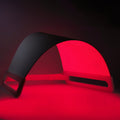
The simplest way to think about it is depth. Red light sits in the visible range, which is why you can see that warm red glow when a panel is on. Infrared light sits beyond visible red, so you cannot see most of it, even though the device is still emitting therapeutic energy.
That difference in wavelength affects how deeply the light can penetrate. Red light usually works closer to the skin's surface. Infrared reaches further into underlying tissue. In practical terms, that means red light is often favored for complexion support, fine lines, and areas where the target is relatively shallow. Infrared is more often part of a recovery setup for sore muscles, stiff joints, and deeper discomfort.
This is also why many premium devices combine both. You are not forced to choose one lane. A mixed-spectrum panel can support skin and deeper tissue in the same session, which makes it appealing for people building a more complete at-home recovery ritual.
What red light is best at
Red light tends to get attention for its skin-focused benefits, and that reputation is well earned. It is commonly used to support collagen production, improve the appearance of tone and texture, and help skin look calmer and more refreshed over time. If someone wants a treatment that fits into a morning or evening wellness routine and delivers visible cosmetic benefits, red light often feels like the natural entry point.
But the story is not only cosmetic. Red light can also support localized recovery in more superficial tissues. For example, if you are dealing with mild tension near the surface or want support around areas that do not require deeper penetration, red light can still be useful.
The trade-off is that it may not be the best standalone choice for someone whose main goal is deep muscle recovery after strength training or relief in larger joints. It can contribute, but it may not go far enough on its own.
Where infrared stands out
Infrared therapy, especially near-infrared used in wellness devices, is often chosen when recovery is the priority. It is commonly used by athletes, active adults, and anyone who wants more support for tissue beneath the skin. Think post-leg day soreness, shoulder tightness from long work hours, or knees that feel stiff after a run.
Because it reaches deeper, infrared is often better aligned with full-body recovery goals. It can fit well into a post-workout routine, a mobility practice, or an evening session designed to help the body settle after physical stress. That makes it especially appealing for people who want their wellness equipment to do more than one thing. A device that supports both performance and restoration tends to earn a permanent place at home.
One nuance here matters. People sometimes use the word infrared as if it always means heat. In therapeutic lighting, that is not always the case. Near-infrared light is different from the far-infrared heat you might associate with a sauna. Both belong to the broader infrared category, but they are used differently. If you are shopping for a panel or wand, you are usually looking at red light plus near-infrared, not the same type of infrared used in a heated cabin.
Red light vs infrared for recovery
If your main goal is faster recovery, infrared often carries more of the load. Deeper tissue support matters when your soreness is not just skin deep. That is why near-infrared is popular among fitness-minded users who want help with training fatigue, joint stiffness, and the physical wear of a busy week.
Still, red light has a place in recovery too. Skin, circulation near the surface, and more localized support can all play a role in how restored you feel. For many users, the best answer is not either-or. It is a device that offers both wavelengths so the session feels more complete.
This is where product quality matters. Not every device delivers enough power, coverage, or consistency to justify the space it takes up in your home. A professional-grade panel with a thoughtful mix of wavelengths tends to be a smarter long-term investment than a cheaper option that looks appealing but underperforms in daily use.
Which one should you choose?
Your decision should follow your goal.
If you are mostly focused on skin appearance, facial treatments, and a polished daily wellness ritual, red light may be the better starting point. It fits naturally into routines centered on glow, tone, and visible freshness.
If you care more about muscle recovery, exercise performance, joint comfort, or deeper full-body support, infrared is usually the stronger lead feature. It is especially relevant for people who train regularly, sit for long hours, or want a more serious restoration tool at home.
If you want the most versatile option, choose a device that combines both. That setup makes sense for households with multiple users or for anyone who wants one piece of equipment that supports recovery, skin wellness, and consistency. This is often the premium choice because it reduces compromise.
What to look for in a home device
The red light vs infrared conversation often gets reduced to wavelength charts, but real-world use matters just as much. A device only works if you will actually use it.
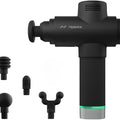
Look for enough treatment area to match your routine. A small handheld device can be great for targeted sessions, but it may feel limiting if you want broader coverage for back, legs, or full-body recovery. Panels usually make more sense for people who want efficiency and easier consistency.
Build quality also matters. A wellness device should feel durable, stable, and easy to integrate into your space. Premium buyers are not just paying for output. They are paying for confidence, comfort, and a smoother ownership experience.
Session length is another practical factor. Most people stick with routines that feel realistic. If a panel can deliver an effective session in a short window before work or after training, it is far more likely to become part of your week.
Common confusion that can lead to the wrong buy
One of the biggest mistakes is assuming visible brightness equals better performance. Red light is visible, so it can feel more active. Infrared may be doing more of the deeper work even if you cannot see it the same way.
Another mistake is buying based on a single claim. A skin-focused shopper might overlook the benefit of near-infrared support. A recovery-focused shopper might ignore the added value of red light for overall tissue wellness and daily use. The better question is not which marketing claim sounds strongest. It is which combination best supports the way you actually live.
This is where a curated retailer can make the process easier. Instead of sorting through dozens of generic devices, you can focus on well-selected equipment designed for meaningful at-home results. For a brand like Sanora Wellness, that balance of performance and everyday usability is the point.
Is one safer or easier to use?
For most home users, both are approachable when the device is designed well and used as directed. The easier option usually comes down to form factor, not wavelength. A panel with simple controls and a clear treatment distance often feels more intuitive than a complicated device with too many settings.
Comfort is personal. Some people enjoy the visible glow of red light because it feels calming and ritualistic. Others care less about the experience and more about how their body feels afterward. Neither preference is wrong. The best wellness equipment supports results without adding friction.
The better question than red light vs infrared
Instead of asking which technology wins, ask what outcome matters most to you right now. Better skin. Faster post-workout recovery. Joint support. A more consistent evening reset. Once the goal is clear, the right type of light becomes much easier to choose.
If your routine needs one tool that can support several of those goals at once, a combined red and near-infrared device is often the most satisfying answer. It meets the reality of how most people use wellness equipment at home - they want serious performance, simple sessions, and results they can feel motivated to repeat.
The best recovery ritual is the one you return to, not the one that sounds most technical on paper.