Sauna Versus Red Light Therapy: Which Fits You?
Share
A recovery ritual should feel easy to repeat, not like another appointment to schedule. When weighing sauna versus red light therapy, the better choice is rarely about which modality is more impressive. It is about what your body needs, what your space supports, and what you will actually use consistently.
Both can earn a meaningful place in an elevated home wellness routine. A sauna uses heat to create a deeply relaxing, sweat-forward experience. Red light therapy uses specific wavelengths of red and near-infrared light in short, targeted sessions. Their benefits can overlap around relaxation and recovery, but the experience, time commitment, and ideal use cases are distinctly different.
Sauna Versus Red Light Therapy at a Glance
If your goal is full-body decompression, warmth, and a spa-like reset, a sauna is difficult to replace. The ritual asks you to slow down. You step away from screens, settle into the heat, and give your nervous system space to downshift. For many people, that alone makes a sauna a powerful investment in daily balance.
Red light therapy is more flexible and targeted. A session can fit before work, after training, or alongside a morning skincare routine. You do not need to sweat, shower, or set aside as much recovery time afterward. That convenience is especially appealing for busy professionals, athletes managing a packed training schedule, and anyone building a consistent longevity-focused routine.
The choice is not heat versus light in a clinical vacuum. It is immersive restoration versus precise, low-disruption support.
What a Sauna Does Best
Saunas raise your body temperature and promote sweating. The immediate feeling is one of release: muscles often feel looser, circulation increases, and the demands of the day can feel more distant. A well-designed home sauna also creates something harder to measure but easy to value - a dedicated place to pause.
For active adults, sauna sessions can be especially satisfying after a demanding workout, a long run, or a day spent traveling. The heat may help you feel less stiff and more relaxed. For wellness-minded homeowners, it can become an evening ritual that marks a clean transition from work mode to rest.
The commitment is part of the appeal, but it is also the trade-off. A typical session may take 15 to 30 minutes, plus time to cool down, rehydrate, and shower if desired. Saunas also require more room, more planning, and attention to electrical requirements, ventilation, and placement than a light panel.
Heat is not right for every moment. If you are dehydrated, feeling ill, pregnant, have certain cardiovascular concerns, or take medications that affect heat tolerance, speak with a qualified clinician before using a sauna. Start conservatively, listen to your body, and make hydration non-negotiable.
Choose a sauna when you want the ritual
A sauna is an excellent fit when your priority is stress relief with a physical component. It suits the person who wants a premium home sanctuary, enjoys heat, and can protect a consistent window for recovery. It is also compelling for households, since the experience can become part of a shared wellness lifestyle.
What Red Light Therapy Does Best
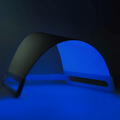
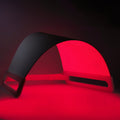
Red light therapy delivers red and near-infrared wavelengths to the body without substantially heating the room or forcing you into a lengthy cooldown. Depending on the device and how it is used, people often incorporate it into routines for skin appearance, post-workout recovery, and general wellness support.
Its strongest advantage is consistency. A panel or wand can make a session feel as accessible as brushing your teeth: step in, position the device according to its instructions, and spend a few quiet minutes under the light. No sweat. No post-session shower. No need to reorganize your day around the experience.
That does not mean every red light device is equal. Professional-grade performance depends on factors such as wavelength selection, irradiance, treatment area, build quality, and clear usage guidance. A compact wand may be ideal for focused areas, while a larger panel better supports efficient full-body sessions. The right format depends on whether you want targeted support or a broader daily ritual.
Results also require patience. Red light therapy is not a one-session fix for sore muscles, skin concerns, or recovery plateaus. It works best as a regular practice over time, with realistic expectations and a high-quality device used as directed.
Choose red light therapy when convenience wins
Red light therapy fits beautifully into high-performance routines because it is efficient and adaptable. Choose it when you want a low-heat option, have limited space, prefer short sessions, or want to focus on specific areas of the body. It is often the easier first step into at-home recovery equipment.
If you have a condition that causes light sensitivity or use medications that increase photosensitivity, ask your clinician before beginning. Follow the manufacturer’s eye-protection and distance guidance, particularly with powerful panels.
Which Is Better for Recovery?
For the familiar, whole-body feeling of unwinding after exertion, sauna heat has a clear advantage. It can make tired muscles feel more comfortable and turn recovery into a calming ritual rather than a chore. The mental reset is often as valuable as the physical sensation.
For recovery support that fits around training, work, and travel, red light therapy may be easier to maintain. Short sessions can be scheduled more often, and a targeted device can be useful when a particular area needs attention after repetitive activity.
Neither should replace the foundations of recovery: sufficient sleep, hydration, protein and overall nutrition, smart training progression, and appropriate medical care when pain persists. Think of both modalities as high-value additions to those fundamentals, not shortcuts around them.
Which Is Better for Stress and Sleep?
Sauna generally has the stronger case for an immediate relaxation experience. The warmth, quiet, and separation from daily noise encourage a slower pace. An evening session can feel particularly restorative when followed by water, a light stretch, and a cool bedroom.
Red light therapy can also support a calming routine, particularly when it replaces more stimulating habits. Still, a red light session does not create the same sensory shift as sitting in a warm sauna. If your primary goal is to build a nightly decompression ritual, heat is likely the more satisfying choice.
The timing matters. Some people find early-day red light sessions energizing as part of their wellness routine. With sauna use, avoid scheduling sessions so late that the process of cooling down disrupts your comfort at bedtime. Your own response is the best guide.
Space, Budget, and Routine Matter More Than Hype
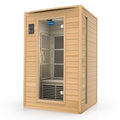
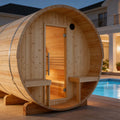
A sauna is a larger lifestyle investment. It can transform a spare room, garage, covered patio, or dedicated wellness area into a true retreat, but it requires a thoughtful setup. The payoff is an experience with presence: a physical destination inside your home for restoration.
Red light therapy requires far less space and can deliver an impressive amount of routine flexibility. Panels can be mounted or stored with intention, while smaller devices are especially practical for apartments, offices, or travelers who value portability. It is often easier to use a panel five times a week than to carve out several longer sauna sessions.
Be honest about your habits before choosing. The best premium wellness equipment is not the one with the most dramatic promise. It is the one that removes friction from the behavior you want to repeat.
Can You Use a Sauna and Red Light Therapy Together?
Yes. For many wellness-focused households, the most complete setup is not sauna or red light therapy but a considered combination of both. Red light therapy can provide a short, consistent daily practice, while sauna sessions offer deeper heat-based restoration a few times each week.
If you use both on the same day, keep the experience comfortable rather than excessive. Many people prefer red light therapy first, when they are cool and hydrated, followed by sauna time later. Others separate them entirely to keep each ritual simple. There is no universal sequence that matters more than your comfort, hydration, and ability to stay consistent.
Start with modest sessions, especially if either modality is new to you. Track how you feel after training, how well you sleep, and whether the routine genuinely improves your week. Recovery should leave you more capable, not depleted.
A beautiful home wellness space does not need to be crowded with equipment. It needs to invite you back. Choose the warmth of a sauna if you crave an immersive reset, choose red light therapy if you value efficient daily support, or create room for both when restoration is part of how you want to live.