Wellness Technology That Belongs in Your Home
Share
A recovery appointment can be powerful. A recovery ritual you can repeat before work, after training, or at the end of a demanding day is often more valuable. That is where wellness technology changes the equation: it brings proven-feeling modalities out of the spa or training facility and into the rhythms of real life.
For people who train hard, lead full schedules, or simply want to feel more restored at home, the appeal is not novelty. It is access. The right equipment creates a private space for decompression, muscle care, mobility, and intentional downtime without coordinating another appointment or commute.
Wellness Technology Is Only Valuable When You Use It
A home sauna, red light panel, compression system, or cold plunge can look impressive in a dedicated recovery room. But the best purchase is not necessarily the most technical or expensive one. It is the tool that matches your goals closely enough to become part of your week.
Consistency gives wellness technology its real advantage. A 10-minute red light session while you prepare for the day, compression after a long run, or a quiet sauna session in the evening can be easier to sustain when the experience is only steps away. The home setting also allows you to personalize timing, temperature, intensity, and atmosphere without working around a facility's hours.
That does not mean every product needs to solve every wellness goal. A cold plunge may feel energizing and support a deliberate recovery practice, but it is not a substitute for sleep, nutrition, smart training, or medical care. A massage chair can make daily tension easier to address, but it cannot correct every source of pain. Premium tools work best as part of a broader routine built around the fundamentals.
The Best Home Wellness Tools Start With a Clear Need
Before choosing a category, identify the friction you want to remove. Is soreness interrupting your training schedule? Is stress following you into the evening? Do you want a more consistent mobility routine, a better wind-down ritual, or a dedicated place to step away from screens? A clear answer prevents a high-consideration purchase from becoming beautiful unused equipment.
For performance-focused recovery
Compression systems are a natural fit for runners, cyclists, strength athletes, and anyone whose legs feel heavy after demanding sessions. Pneumatic compression may promote circulation and offer a deeply restorative post-workout experience. The practical appeal is equally strong: you can sit back, read, or relax while the system does its work.
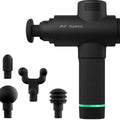
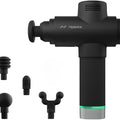
Massage equipment brings another layer of targeted care. Percussion devices, massage chairs, and spa-inspired tools can help users address everyday muscle tightness and create a more deliberate recovery window. The right choice depends on whether you want focused treatment for specific areas or a full-body experience that invites you to slow down.
Cold exposure is often chosen for its bracing, reset-like quality. Cold plunges can become a motivating ritual for experienced users who enjoy the challenge and the feeling of alertness afterward. Temperature control, water maintenance, insulation, footprint, and ease of entry matter as much as the plunge itself. People with cardiovascular conditions, pregnancy, circulation concerns, or other health considerations should speak with a qualified clinician before beginning cold exposure.
For restorative daily rituals
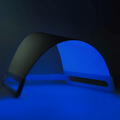
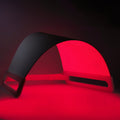
Red light therapy is especially appealing because sessions can be short and easy to schedule. Panels and handheld wands offer different approaches: a larger panel suits a dedicated full-body station, while a wand gives you more flexibility for smaller treatment areas and travel. Look beyond dramatic promises. Consider treatment area, session length, placement options, eye protection guidance, and whether the design will make regular use effortless.
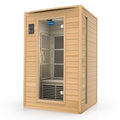
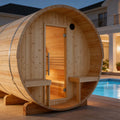
Saunas create a more immersive form of restoration. For some homeowners, a sauna is primarily about post-training comfort. For others, it becomes a calm evening ritual that replaces another hour of scrolling with warmth, quiet, and stillness. Space, electrical requirements, ventilation, assembly, and household preferences should guide the decision. The most luxurious option is not always the right one if it demands a level of maintenance or floor space you will resent.
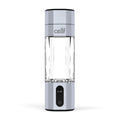
Hydrogen water bottles and smaller wellness accessories serve a different purpose. They are portable, low-friction additions to an existing routine. Their value is often less about creating a dramatic experience and more about reinforcing the habit of hydration and intentional self-care throughout the day.
How to Choose Wellness Technology With Confidence
A premium purchase deserves more than an impulse decision. Start with the setting. Measure the room, doorway, outlet access, and storage area before you fall in love with a product's aesthetic. For equipment involving water or heat, also consider flooring, drainage, ventilation, and the level of ongoing care you are prepared to provide.
Next, consider the time requirement honestly. A tool that asks for 45 minutes may be perfect for a weekend ritual but unrealistic on a Tuesday. A product that works in 10 to 20 minutes may deliver more long-term value because it fits between the demands already on your calendar. Convenience is not a lesser standard. It is often what turns intention into practice.
Quality should be visible in the details: materials that feel made for repeat use, clear operating instructions, thoughtful safety features, dependable controls, and a design that supports comfort rather than complicating it. Professional-grade performance matters, but so does a product's ability to live gracefully in your home.
Finally, assess the buying experience. High-ticket wellness equipment should come with clear product information, responsive support, transparent shipping expectations, and return protection that gives you room to decide whether it genuinely fits your life. Sanora Wellness curates home-ready recovery equipment around that standard, pairing elevated design with practical ways to build a more consistent routine.
Build a Recovery Space You Want to Return To
The most effective wellness rooms are not necessarily large. A corner with a red light panel, a nearby mat, soft lighting, and a place to set down water may be enough. A garage gym can become more restorative with compression boots and a massage tool stored within reach. A patio can support a cold plunge if the setup is appropriate for the climate and the equipment's care requirements.
Treat the space as a cue. Keep towels ready. Reduce the steps required to begin. Put your recovery session on the calendar with the same respect you give training, meetings, and family commitments. If you live with others, choose equipment and routines that work with the household rather than creating friction around noise, space, or timing.
You do not need a perfect protocol. Start with a simple rhythm: perhaps compression after your two hardest training days, sauna two evenings a week, or red light during a predictable part of your morning. Give the routine several weeks before deciding what deserves a more permanent place in your home.
A Better Standard for Feeling Well at Home
Wellness technology is at its best when it makes restoration feel less like an occasional reward and more like a reliable part of how you live. Choose the modality that meets your actual needs, respect its trade-offs, and make room for a practice you will look forward to repeating. The most meaningful upgrade is not the one that gets the most attention. It is the one that helps you feel ready for what comes next.