Can Red Light Reduce Soreness?
Share
That post-leg-day stiffness that makes stairs feel personal is exactly why so many people ask, can red light reduce soreness? The short answer is yes, it may help - especially with mild to moderate muscle soreness after training, overuse, or a demanding week. But the better answer is more useful: red light therapy can support recovery, though results depend on timing, consistency, device quality, and the kind of soreness you are dealing with.
Red light therapy has earned attention because it offers something most recovery tools promise but few deliver well - a low-effort way to support the body without adding more stress. For people building serious wellness routines at home, that matters. You do not always need another extreme protocol. Sometimes you need a repeatable ritual that helps you feel less beat up and more ready for tomorrow.
Can Red Light Reduce Soreness After Exercise?
In many cases, yes. Red light therapy is often used to support circulation, ease temporary inflammation, and encourage cellular energy production. That combination is why it is commonly worked into recovery routines for post-workout muscle soreness.
The basic idea is straightforward. Specific wavelengths of red and near-infrared light are absorbed by the body and may help support mitochondrial function, which plays a role in how cells produce energy. When recovery processes are working efficiently, muscles may feel less tight, less fatigued, and less tender after hard effort.
This does not mean red light erases soreness on command. Delayed onset muscle soreness, or DOMS, is still a normal response to training. If you trained hard, introduced a new movement, or pushed volume higher than usual, your body is going to talk back. Red light may help reduce the intensity or duration of that soreness, but it is not a substitute for rest, hydration, protein, sleep, or smart programming.
Why Soreness Happens in the First Place
Soreness is not just a sign that you had a great workout. Sometimes it reflects productive training stress. Sometimes it means you overreached. And sometimes it has more to do with poor recovery habits than exercise quality.
Most workout-related soreness comes from microscopic muscle damage and the inflammatory response that follows. That is a normal part of adaptation. Your body repairs tissue, restores function, and ideally comes back stronger. The problem is that recovery is not always fast enough for real life. If you have another training session, a busy workday, or travel on the calendar, lingering soreness can become a bottleneck.
That is where supportive modalities like red light become appealing. They are not trying to override biology. They are trying to help your body move through recovery with less friction.
How Red Light Therapy May Help
Red light therapy is appealing because it is noninvasive, quick, and easy to repeat. Most people use it for short sessions at home, either before activity, after activity, or as part of an evening recovery routine.
One reason it may help soreness is circulation. Better blood flow can help deliver oxygen and nutrients to tissues that are repairing. Another is that light exposure may help calm temporary inflammation associated with training stress. There is also growing interest in its role in supporting ATP production, which matters because ATP is the energy currency cells use to do repair work.
For the average wellness-focused adult, the practical takeaway is simple: if your muscles feel heavy, tight, or slow to bounce back, red light may help you recover more comfortably and consistently over time.
What Kind of Soreness Can Red Light Reduce?
This is where expectations matter. Red light therapy is best thought of as a recovery support tool, not a cure-all.
It may be most useful for post-workout muscle soreness, general stiffness from training, and the kind of low-grade body fatigue that builds up when you are active several days in a row. It can also fit well into recovery after strength work, endurance sessions, recreational sports, or physically demanding days.
It is less clear-cut for sharp pain, acute injury, or soreness that seems unrelated to exercise. If something feels sudden, severe, swollen, unstable, or persistent, that moves beyond a standard recovery conversation. Red light may still have a place in a broader plan, but it should not be your only response.
There is also the issue of depth. Surface-level discomfort may respond differently than deeper joint or connective tissue irritation. Devices that combine red and near-infrared wavelengths tend to be more versatile because they can address both surface tissues and deeper areas more effectively than red light alone.
How to Use Red Light for Muscle Soreness
If your goal is less soreness and faster recovery, consistency matters more than intensity theater. You do not need to turn recovery into a production.
A simple approach works well for most people. Use red light on the sore area for a short session, often around 10 to 20 minutes depending on the device and the manufacturer guidance. Many people use it shortly after training or later the same day when tightness sets in. Others like it before exercise as part of a warm-up routine, especially when recurring stiffness tends to hold them back.
The key is regular use. A single session may feel soothing, but the more noticeable benefits often come with repeated use across days or weeks. Recovery tools tend to work best when they become part of a rhythm rather than a rescue plan.
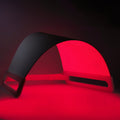
Placement matters too. The light needs to reach the area you want to target, so exposing the skin is usually more effective than shining through thick clothing. Larger panels can be useful for bigger muscle groups like quads, glutes, hamstrings, and back. Smaller wands or targeted devices can work well for more focused spots.
Can Red Light Reduce Soreness Better Than Other Recovery Tools?
Not always better. Often, better together.
Cold therapy, compression, massage, mobility work, and sauna each support recovery in different ways. Red light fits especially well when you want something calming, low effort, and easy to use frequently. It does not compress tissue like boots, it does not create the intense stimulus of a cold plunge, and it does not require the physical pressure of massage. For many people, that is part of the appeal.
If you are highly active, a layered recovery routine often makes more sense than relying on one tool. Red light pairs well with mobility, hydration, protein intake, and quality sleep. It can also complement other premium at-home modalities without adding much burden to your schedule.
That said, if you are choosing one recovery tool for daily use, red light has a strong case because it is approachable enough to use consistently. And consistency is where results tend to live.
What to Look for in a Device
If you are serious about using red light for soreness, device quality matters. Not all lights marketed for recovery are built the same. Wavelengths, power output, treatment area, and build quality all affect the experience.
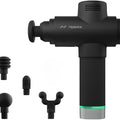
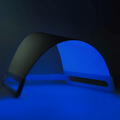
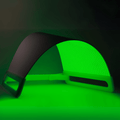
Panels are often the best fit for full-body or large muscle group recovery. They are practical for people who train regularly and want to cover more area in less time. Smaller handheld units can make sense if your soreness is usually localized or if portability matters.
You also want a device that feels easy to use in real life. The best recovery equipment is not just effective on paper. It fits into your routine without friction. A premium setup should feel less like clutter and more like a ritual you look forward to.
That is one reason curated wellness brands like Sanora Wellness resonate with recovery-minded shoppers. The value is not simply access to equipment. It is confidence that the tools are selected for performance, simplicity, and repeat use at home.
When Results May Fall Short
If red light does not seem to help, the issue is often not the concept but the setup. Sessions may be too short, too inconsistent, or aimed at the wrong problem. A weak consumer device may also underdeliver compared with professional-grade equipment.
There is also the reality that soreness is not always something to eliminate. If your training load is too high, your sleep is poor, or your nutrition is off, no recovery tool can fully compensate. Red light works best when the fundamentals are already in place.
And for some people, the benefit is subtle. You may not go from sore to fresh overnight. Instead, you might notice that stiffness fades faster, your next workout feels smoother, or your body feels less taxed at the end of the week. That quieter kind of improvement still counts.
Is Red Light Worth Adding to Your Routine?
If soreness regularly slows you down, red light therapy is worth considering. It offers a rare mix of comfort, convenience, and performance support. It is especially well suited to people who want clinic-style recovery tools without building their week around appointments.
The best part is not that it feels futuristic. It is that it can feel practical. A few minutes after training, a few minutes before bed, a more intentional approach to how you recover - that is where this kind of tool starts to earn its place.
If you are asking can red light reduce soreness, the answer is promising, but not magical. Think of it as support for a body that is already doing the hard work of adapting. Give it consistency, pair it with solid recovery habits, and it may help your routine feel less punishing and more sustainable.
A good recovery ritual should leave you feeling restored, not restricted - ready to train, work, and move through the day with a little more strength in reserve.