Hydrogen Bottle Safety for Your Daily Ritual
Share
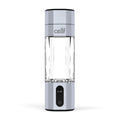
A hydrogen water bottle belongs in the same category as your red light panel or compression boots: a personal wellness tool that performs best when it becomes a thoughtful part of your routine. Hydrogen bottle safety is less about complicated protocols and more about choosing a well-made device, using it as directed, and keeping the water-contact surfaces clean.
For most home users, the practical risks are not about drinking hydrogen-infused water. They are about battery care, water exposure around charging components, cleaning, and treating a wellness product like a medical device when it is not one. A few simple habits protect the bottle, preserve a better drinking experience, and let the ritual stay exactly what it should be: easy.
What Hydrogen Bottle Safety Actually Means
Hydrogen water bottles use an internal electrolysis system to dissolve molecular hydrogen gas into water. Depending on the design, the bottle may also separate or vent other gases generated during the process. Molecular hydrogen is flammable as a gas at sufficiently high concentrations in air. That fact can sound alarming out of context.
In normal use, however, a consumer hydrogen bottle is designed to generate hydrogen in water within a sealed or purpose-vented vessel, not to function as a source of stored fuel gas. The meaningful safety question is whether the product is engineered responsibly and whether you follow its instructions. Avoid modifying the bottle, blocking designated vents, or using it for anything other than water preparation.
Quality matters here. A professional-feeling wellness ritual begins with equipment that has clear controls, durable seals, charging protection, and care guidance you can actually follow. If a device arrives damaged, leaks near its base, overheats, smells unusual, or has a swollen battery housing, stop using it rather than trying to troubleshoot it yourself.
Choose Water That Matches the Bottle's Instructions
Not every hydrogen bottle is designed for the same water source. Some models are intended for purified or distilled water, while others can accommodate filtered drinking water. The manufacturer’s guidance should always lead, because water mineral content can affect both the electrolysis process and long-term maintenance.
Using heavily mineralized water when it is not recommended can leave scale on internal components. Over time, that buildup may reduce performance, create off-tastes, or make cleaning more difficult. Water from a trusted filter is often a comfortable everyday choice, but the right answer depends on the bottle’s manual.
Avoid filling the bottle with carbonated beverages, juice, sports drinks, alcohol, coffee, tea, or any liquid containing sugar, acids, oils, or flavoring unless the instructions explicitly allow it. These liquids can damage the system, leave residue in hard-to-reach areas, and interfere with the device’s operation. A hydrogen bottle is not a universal beverage tumbler. Keeping it dedicated to plain water is the simplest way to extend its life.
Keep Charging Separate From Your Water Ritual
The most important rule of hydrogen bottle safety is also the least glamorous: never charge the unit while it is wet, leaking, or filled with water unless its instructions specifically state otherwise. Wipe the charging port and exterior dry before connecting a cable. Charge on a stable, dry surface away from sinks, tubs, humid sauna spaces, and direct heat.
Use the charging cable and power source specified for the bottle. An incompatible charger may seem harmless, but it can shorten battery life or create excessive heat. Once charging is complete, unplug the bottle rather than leaving it connected for days at a time.
Do not place the bottle in a microwave, dishwasher, freezer, or hot car. High heat can stress seals, electronics, and the battery. Freezing temperatures can also damage components and cause expansion in a filled vessel. If your recovery space includes a sauna or steam shower, prepare your water outside the room and bring only a fully closed bottle with you if the product’s temperature guidance permits it.
Clean It Before Residue Becomes a Problem
A premium wellness routine should feel fresh, not fussy. The easiest way to maintain a hydrogen bottle is to empty it after use, rinse it with clean water, and allow it to air-dry with the lid open when practical. Do not leave water sitting in the bottle for days, especially in a warm kitchen, gym bag, or car.
Follow the manufacturer’s specific cleaning instructions for the cap, mouthpiece, base, and interior. Many electronic bottles should never be submerged, even if the drinking vessel itself is water-resistant. A soft cloth and mild cleaning approach are generally preferable to abrasive scrubbers, harsh chemicals, or strong fragrances that can linger.
If the bottle uses a membrane or electrode system, periodic descaling may be recommended. Use only the approved method and solution. Improvised cleaners can corrode internal parts or compromise seals. If you notice persistent cloudiness, residue that will not rinse away, visible damage, or a change in taste after proper cleaning, pause use until you can determine the cause.
Let the Water Be Fresh, Not Stored
Hydrogen is a small molecule and does not remain dissolved indefinitely. That is why many people prefer to drink hydrogen-infused water soon after a cycle is complete. It is also why preparing a bottle first thing in the morning, after training, or before an afternoon reset can work well as a consistent ritual.
Fresh preparation is not just about potential hydrogen retention. It reduces the temptation to store water in a sealed bottle for long periods, where cleanliness becomes harder to manage. Make what you plan to drink, enjoy it within the device’s recommended window, then rinse the bottle.
There is no advantage to running repeated cycles beyond what the product specifies in an attempt to make the water “stronger.” More is not always better in home wellness. Respect the cycle length, fill line, and capacity limits designed into the device.
Use Sensible Expectations Around Wellness Claims
Hydrogen water is often part of a broader recovery-minded lifestyle, alongside hydration, balanced nutrition, movement, quality sleep, and intentional stress management. Some users enjoy it as a convenient way to make everyday hydration feel more deliberate. Research into molecular hydrogen is still developing, and results can vary by study design, dose, population, and outcome measured.
That means a hydrogen bottle should not replace medical care, prescribed medications, or foundational recovery habits. It is not a treatment for disease, an antidote to overtraining, or a substitute for addressing persistent fatigue, pain, dizziness, or other symptoms with a qualified clinician.
If you are pregnant or nursing, managing a medical condition, following a fluid restriction, or have questions about whether a new wellness practice fits your care plan, ask your healthcare professional. The water itself may be familiar, but your individual health context always matters more than a trend.
A Simple Routine That Protects Your Bottle
The best routine is uncomplicated. Start with the water source your bottle recommends. Fill only to the marked line, secure the lid, and run one standard cycle on a dry, level surface. Once complete, drink the water while it is fresh, then empty and rinse the vessel.
Before charging, inspect the base and port for moisture. Store the bottle upright in a cool, dry place, away from direct sunlight and out of reach of children who may treat it like an ordinary toy or cup. If you travel with it, use a protective sleeve or keep it upright so the cap and base are not under constant pressure.
For a premium device, a little care is not an inconvenience. It is part of preserving performance. The same attention you give to your recovery tools, training gear, and sleep environment can make a hydrogen water bottle a dependable part of an elevated at-home wellness practice.
A well-kept bottle turns hydration into a small moment of restoration: fill it, pause, drink, and return to the day feeling more intentional than before.