Choosing a Red Light Panel for Joint Comfort
Share
A stiff knee before a morning walk, shoulders that feel tight after a long day at a desk, hips asking for more care after training - these are the moments when a recovery ritual earns its place at home. A red light panel for joint comfort offers a calm, practical way to build a few focused minutes of restoration into the day, without scheduling another appointment or leaving your space.
Red light therapy is not a replacement for medical care, diagnosis, or an individualized treatment plan. It can, however, be a thoughtful addition to the habits that help you feel more ready to move: smart training, quality sleep, mobility work, hydration, and appropriate professional guidance when pain persists. The right panel makes that ritual simple enough to repeat.
How red light therapy fits a joint comfort routine
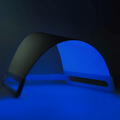
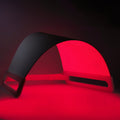
Red light therapy uses specific wavelengths of visible red and near-infrared light. Red light is generally used closer to the surface of the body, while near-infrared light is invisible and is commonly selected for its ability to reach deeper tissue. In a panel session, those wavelengths are delivered over a broad treatment area without heat, needles, or downtime.
For people managing everyday post-exercise soreness, stiffness, or the wear of active living, the appeal is straightforward: consistency is easier when the tool is already in the room. A panel can be positioned for the knees after a run, the shoulders after strength work, or the lower body after a long flight. The experience is quiet, hands-free, and easy to pair with a mobility session, breathwork, or the first few minutes of an evening wind-down.
Results are personal. Joint discomfort can come from many sources, including training load, past injury, arthritis, repetitive work, and issues that deserve clinical attention. Think of red light as supportive recovery equipment, not a promise of a cure. If you have severe pain, swelling, instability, numbness, sudden symptoms, or pain after an injury, speak with a qualified healthcare professional before relying on an at-home routine.
Why a panel can be better than a small device
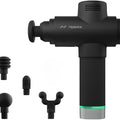
A handheld wand can be useful for a very targeted area, especially when portability is the priority. A panel is often the more natural choice for people who want to treat larger regions efficiently and maintain a dependable routine.
The difference is coverage. Rather than moving a small device across one point at a time, a panel can illuminate both knees, a shoulder complex, or much of the lower body in a single session. That matters when recovery time is limited. A larger treatment area also makes it easier to use the device after a workout, when several areas may feel taxed at once.
Panel size should match the way you plan to use it. A compact panel suits targeted use from a chair or countertop. A medium panel gives more flexibility for knees, hips, elbows, and shoulders. A full-body format is a stronger investment for a whole-body wellness room or for households where more than one person will use it. Bigger is not automatically better - the best format is the one you will use consistently and position comfortably.
What to look for in a red light panel for joint comfort
Professional-grade performance is about more than an impressive-looking array of LEDs. The specifications should support clear, repeatable use while the design should fit the pace of life at home.
First, look for a panel that offers both red and near-infrared wavelengths. This combination gives you greater versatility, whether your ritual is focused on surface-level skin appearance, post-workout recovery, or comfort around areas such as knees, shoulders, and hips. A quality panel should clearly state its wavelength range rather than relying on vague light-therapy language.
Next, consider irradiance, which describes the light intensity delivered at a given distance. More intensity is not always the goal. A well-designed device with transparent output information lets you follow sensible session guidance instead of guessing. Distance matters, too: standing closer typically increases the intensity reaching the body, while standing farther away expands the coverage area. Follow the manufacturer’s directions for your specific model rather than borrowing protocols from another device.
Comfort and placement deserve equal attention. Adjustable stands, wall-mount options, timers, and uncomplicated controls remove the friction that can derail a wellness purchase after the first few weeks. If your knees are your priority, ask whether you can sit comfortably in front of the panel. If shoulders and back are part of your recovery plan, consider whether the panel can be raised or angled without turning setup into a project.
Finally, choose a retailer and product experience that inspire confidence. For a premium wellness tool, clear specifications, thoughtful customer support, shipping clarity, and a fair return policy are part of the value. Sanora Wellness curates at-home recovery equipment for people who want a more elevated, reliable daily practice - not another gadget that ends up in a closet.
Safety details are part of a good routine
Red light sessions are generally designed to be comfortable, but responsible use still matters. Read the device manual, begin with conservative session settings, and avoid assuming that longer sessions deliver better results. If a panel is bright, use any recommended eye protection and avoid staring directly into the LEDs.
Talk with your clinician before use if you are pregnant, have a light-sensitive condition, are receiving treatment for cancer, or take medications that can increase photosensitivity. It is also wise to ask for guidance if you are managing a diagnosed joint condition or are recovering from surgery. A panel can support a broader plan, but it should not delay care for a problem that needs assessment.
Building a ritual you will actually keep
The most effective home recovery setup is rarely the most complicated one. Place your panel where the habit already happens: beside a stretching mat, near your workout space, or in a quiet corner where you unwind at the end of the day. Keep the routine short enough that it feels realistic on a busy Tuesday, not only on an ideal weekend.
For many people, a session of roughly 10 to 15 minutes is an approachable starting point, provided it aligns with the device’s instructions. Use that time with intention. Try gentle ankle circles while treating the knees, relaxed shoulder mobility after upper-body training, or a few minutes of stillness before bed. The panel does not need to become another performance metric. It can be a cue to slow down and give your body consistent attention.
Pay attention to patterns over several weeks rather than judging the experience after one session. Notice how you feel when walking downstairs, getting up from your desk, returning to training, or settling down at night. If discomfort increases or changes, pause the routine and seek appropriate medical advice.
A considered investment in everyday restoration
A red light panel earns its place when it reduces the distance between feeling worn down and taking care of yourself. It brings a professional-inspired recovery modality into the home, where a few minutes of support can happen before work, after training, or whenever your body asks for a reset.
Choose the coverage, features, and setup that suit your real routine. Then let the practice be simple: show up, give it time, and make room for the kind of restoration that helps you move through the day with greater comfort and confidence.