Best Red Light Setup for Home Gym Recovery
Share
A great workout space should do more than push your performance. It should make restoration easier to keep. A red light setup for home gym recovery creates a dedicated pause between training and the rest of your day - a few quiet minutes that support a more consistent recovery ritual without another appointment, commute, or crowded wellness studio.
The goal is not to turn your gym into a medical clinic. It is to choose equipment with enough coverage and thoughtful placement to make red light therapy feel effortless after lifting, running, mobility work, or a long day at your desk. When the setup is convenient, it is far more likely to become part of the routine.
Start With the Space You Actually Use
The best location is usually close to where you finish training, not in a separate room that sounds good in theory but goes unused. Reserve a small area beside a rack, mirror, stretching mat, or cooldown zone. You want enough open space to stand comfortably in front of a panel and move around it when targeting specific areas.
A clear wall is ideal for a mounted panel. It keeps your equipment protected, gives the space a cleaner look, and removes one more setup step from every session. If your training area changes often, or you want the option to use the device in a bedroom or office, a floor stand offers more flexibility. A tabletop unit or handheld wand can be a refined choice for focused use on a knee, shoulder, lower back, or other smaller area, but it will not replace the coverage of a larger panel for full-body recovery.
Think about the room before choosing the device. A compact garage gym may be best served by a medium panel on a stand, while a dedicated home gym with open wall space can support a larger panel or a paired-panel configuration. The right choice depends on how much of the body you want to treat in one session and how many people will use it.
Make access feel automatic
Keep the surrounding area simple: a stable outlet, adequate airflow, a non-slip floor, and no loose cords across a walkway. Add a bench or mat nearby for mobility work, water, and a clean towel. This is not just about aesthetics. A polished recovery corner removes friction from the habit.
If possible, avoid placing your panel directly where it will be bumped by barbells, swinging doors, or stored equipment. A little separation protects your investment and helps the room feel like a true recovery zone rather than an afterthought.
Choose Coverage Before Chasing Specifications
Red light therapy devices are often described by wavelength, irradiance, treatment area, and session time. Those details matter, but coverage and consistency matter first. A panel that is easy to use three or four times per week can be more valuable than a highly technical device that feels cumbersome in your space.
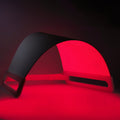
Many home-use panels combine red and near-infrared light. Red light is commonly used for skin-focused goals and surface-level tissue support, while near-infrared light reaches deeper and is often selected by people focused on muscles, joints, and post-workout recovery. A combination device gives your home gym more versatility, whether you are recovering from leg day, managing stiffness after cycling, or simply building a calmer evening routine.
For full-body exposure, select a panel tall and wide enough to cover a meaningful portion of the body at once. You may still need to turn around or change position, especially with a medium-size panel. That is normal. A larger unit reduces repositioning, but it also requires more wall space and a larger budget.
What professional-grade should mean at home
Look for clear manufacturer guidance on recommended distance and treatment duration, straightforward controls, a sturdy build, and appropriate safety information. A quality device should feel dependable and easy to repeat, not confusing or overengineered.
More power is not automatically better. Light dosage is shaped by the device output, your distance from it, and the length of the session. Follow the brand-specific instructions rather than assuming longer exposure will deliver better results. Recovery responds well to measured, repeatable habits.
Position Your Panel for Useful, Comfortable Sessions
For a red light setup for home gym recovery, place the panel at a height that aligns with the areas you train most. If you are using a wall-mounted unit primarily for standing sessions, center it around torso height so your chest, hips, and thighs receive useful coverage. You can shift your stance or use a stool when you want to focus on calves, knees, or upper body.
Start at the distance recommended for your specific device. In many cases, this is close enough to provide an effective exposure without having to press against the panel. Marking a spot on the floor with a subtle mat edge or tile line can make your positioning consistent from one session to the next.
For a lower-body session after squats, deadlifts, or a long run, face the panel for the recommended time, then turn around to expose the back of the legs and glutes. After upper-body training, face the panel for the chest, shoulders, and arms, then rotate for the upper back and lats. You do not need an elaborate protocol. A simple front-and-back approach is often enough to make the practice sustainable.
Build It Into the Right Part of Your Training Day
Many people use red light therapy after exercise because it fits naturally with their cooldown. The workout is done, the body is warm, and a short session creates a clean transition into stretching, hydration, or a shower. It can also work before training as part of a focused warmup ritual, especially if that timing is easier to maintain.
The best timing is the one you can repeat. Consider pairing your session with a habit you already have: five to 15 minutes of easy mobility, your post-workout hydration, or the few minutes you spend putting equipment away. Red light therapy is most compelling as one piece of a larger recovery practice, alongside sleep, nutrition, sensible training volume, and rest days.
Avoid treating it like a license to ignore pain or overtrain. Persistent, worsening, or sharp pain deserves guidance from a qualified healthcare professional. Red light therapy may support comfort and recovery, but it is not a substitute for diagnosis or medical care.
Keep the Experience Calm, Not Complicated
You do not need a complicated stack of gadgets to create a premium recovery space. A panel, a place to stand or stretch, and a reliable routine can be enough. If you enjoy a more elevated experience, layer in a compression session, massage tool, sauna ritual, or cold plunge at a time that suits your training and preferences. Each modality has a different purpose, and more is not always better in one day.
Use clean, dry skin where possible, and avoid products that could be irritating when exposed to light or warmth. Read your device instructions for eye guidance. Some users are comfortable with eyes closed during facial exposure, while some devices include or recommend protective eyewear. If you have a light-sensitive condition, take medications that increase photosensitivity, are pregnant, or have a medical concern, speak with your clinician before beginning a new red light routine.
A timer is useful, particularly in the first few weeks. It prevents sessions from becoming excessive and helps establish an easy baseline. Once the ritual feels familiar, you can adjust based on your device guidance, your training volume, and how your body responds.
Design for Consistency, Not Perfection
The most impressive home gym recovery space is not the one with every possible modality. It is the one that invites you back after a demanding workout and makes taking care of yourself feel natural.
Choose a red light setup that fits your room, offers the coverage you will genuinely use, and supports a simple rhythm. At Sanora Wellness, that standard means bringing professional-grade recovery tools into the home without losing the comfort and intention that make a wellness ritual worth returning to. Give yourself a calm place to finish strong, recover with purpose, and meet tomorrow with more in reserve.